About The Luxorium
See More. Understand More. Connect More.
The Luxorium is an independent, locally informed information resource about Luxor, Egypt, created by Sarah Meldrum.
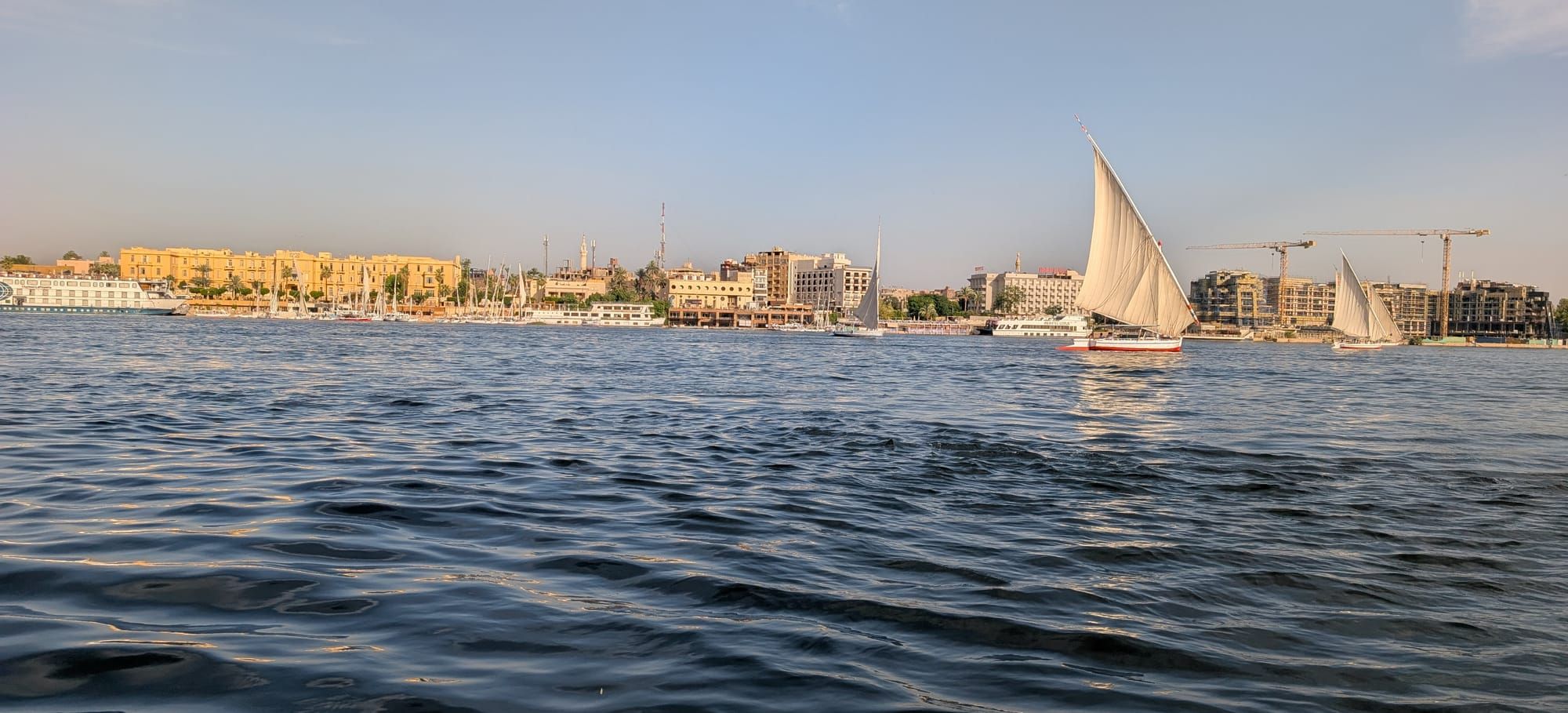
What The Luxorium Is and What It Does
We bring together practical guidance, cultural context, local knowledge and evidence to help you see and understand more of Luxor - and make better-informed decisions for yourself.
Sometimes that means a straightforward answer; sometimes it means context, comparison or another perspective. We are also building tools to help you compare options, understand trade-offs and turn information into decisions.
We are not here to make those decisions for you.
Why “The Luxorium”?
Lux is Latin for light, while -orium is used in words for places or things created for a particular purpose. The name evokes a place for bringing more of Luxor into view - helping people see more clearly, understand more deeply and notice what might otherwise remain unseen.
The Luxorium is still at the beginning of this work.
Right now, our published content focuses on helping people plan for the 2027 total solar eclipse in Egypt, with Luxor at the centre of that journey.
From there, we are building towards a broader resource for understanding and navigating Luxor - including its places, people, culture, transport, prices, businesses and everyday life.
This page describes both what The Luxorium is today and the direction we are building towards.
Who Is Behind The Luxorium
Meet Sarah Meldrum
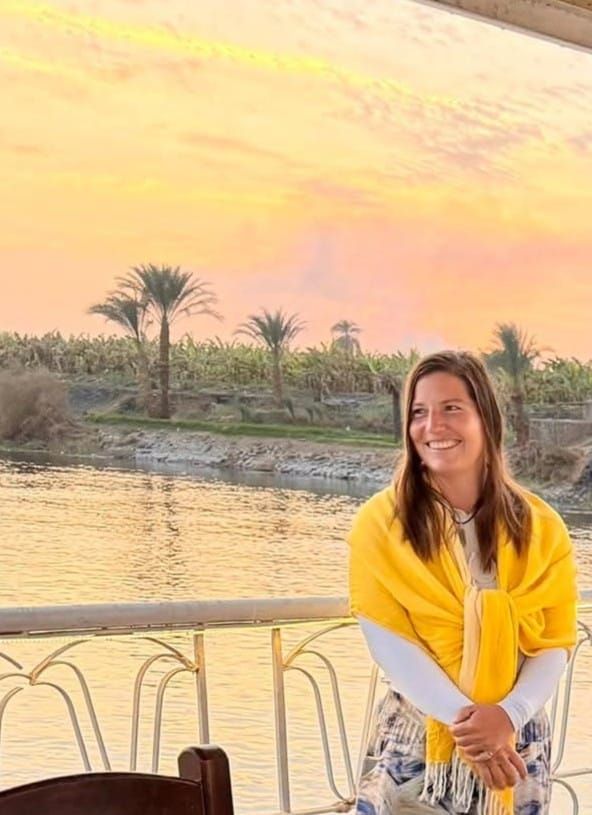
The Luxorium was created by Sarah Meldrum, an Australian who has made Luxor's West Bank home.
Why Luxor
Sarah arrived in Luxor in September 2025. What she found here - in the generosity of the people and the particular rhythm of life between the Nile and the Theban Mountain - was something she had not expected and did not want to leave.
The Luxorium gives Sarah a way to express her love for Luxor through work grounded in integrity: looking for what is true, trying to understand before judging, treating people fairly, being open about uncertainty and conflicts of interest, and trying to leave things better than she found them.
What Sarah Brings to The Luxorium
Before moving to Egypt, Sarah spent much of her career working in corporate Australia.
Much of that work involved understanding what people actually need, making complex systems clearer and easier to navigate, and working through tensions between people with different needs, perspectives and priorities.
Often, the challenge was finding the best practical outcome available for everyone involved within the constraints that existed.
That way of thinking shapes The Luxorium.
The hope is that it can contribute, in a small but practical way, to better information, fairer interactions, more mutual respect and more space for people from different backgrounds to understand one another.


How The Luxorium Researches and Publishes Information About Luxor
How We Research and Understand Luxor
No single source can explain Luxor completely.
Depending on the question, we may draw from official and legal sources, academic research, local people and experts, businesses and operators, traveller experiences, Arabic- and English-language material, online communities and what we observe directly across Luxor's East Bank and West Bank.
We do not treat any one type of source as automatically right. An official source can be outdated. A first-hand experience can be genuine while showing only one part of the picture. A business may know its own operation better than anyone while also having an interest in how it is represented. Something we observe ourselves may tell us what happened without explaining why.
So we compare sources, consider where information came from, notice contradictions and work out what the evidence can reasonably support.
The more it matters if we get something wrong, the more care we take before turning that information into guidance.
How The Luxorium Uses AI
AI helps us research, analyse and compare information, identify patterns and contradictions, translate and summarise material, build The Luxorium and assist with publishing.
We also use AI to review our work against documented principles - looking for unsupported claims, missing context, hidden assumptions, inconsistencies and drift from the values we say we hold.
It helps us keep asking:
Are we actually doing what we said we would do?
AI has limitations too. It can give confident answers that are incomplete, outdated or simply wrong - especially when good information is scattered, difficult to verify or missing altogether.
- Local knowledge, observation & evidence
- AI-assisted research, analysis & comparison
- Drafting, human review & judgement
- What we publish
Finding Gaps in the Information About Luxor
As The Luxorium develops, we want to pay attention not only to what people are searching for, but to where good answers about Luxor are difficult to find.
When a question leads to conflicting, outdated or unsupported answers - including answers from AI - that can point to an information gap worth investigating.
We can research those questions more carefully, bring together the best evidence we can find and publish what that evidence reasonably supports.
The aim is simple:
fewer important questions about Luxor where people - or the AI tools they use - have to fill the gaps with guesswork.
We cannot control what an AI assistant says. But we can make useful information about Luxor easier to find and understand, while showing where it came from, how current it is, what context matters and where uncertainty remains.
We hope that contributes to better answers wherever people encounter them - whether they are reading The Luxorium directly, using a search engine or asking an AI assistant.
Human Review and Responsibility
AI does not decide what is true, fair or ready to publish.
Final judgement remains human. What we publish is reviewed by a person, and we remain responsible for the evidence, reasoning, context and decisions behind it.
See More of Luxor: East Bank, West Bank and Everyday Life
See More Than the Ancient Sites
People will probably always come to Luxor because of its ancient sites.
And we want you to see those.
But your experience of Luxor is shaped by much more than temples and tombs - by the people and businesses you engage with, how you move around, what you understand about local expectations and how confident you feel navigating situations that may be unfamiliar.
The most useful information is rarely sitting neatly in one place.
We want to help bring more of it into view.
Luxor East Bank and West Bank
Luxor changes character across the Nile.
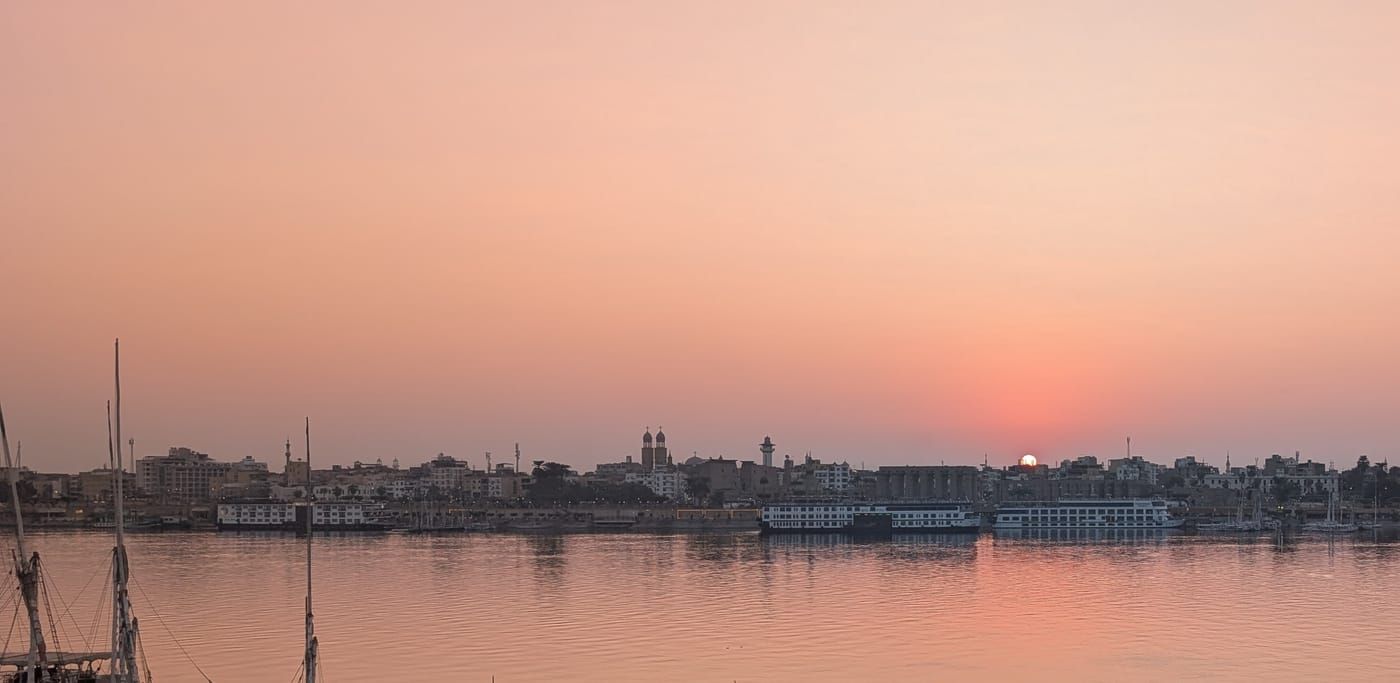
The Luxor East Bank is the city's more urban side - home to Karnak Temple, Luxor Temple and the Luxor Corniche, alongside the Luxor souk, shops and everyday retail, horse-drawn carriages, restaurants, major hotels and much of the city's transport and visitor infrastructure.
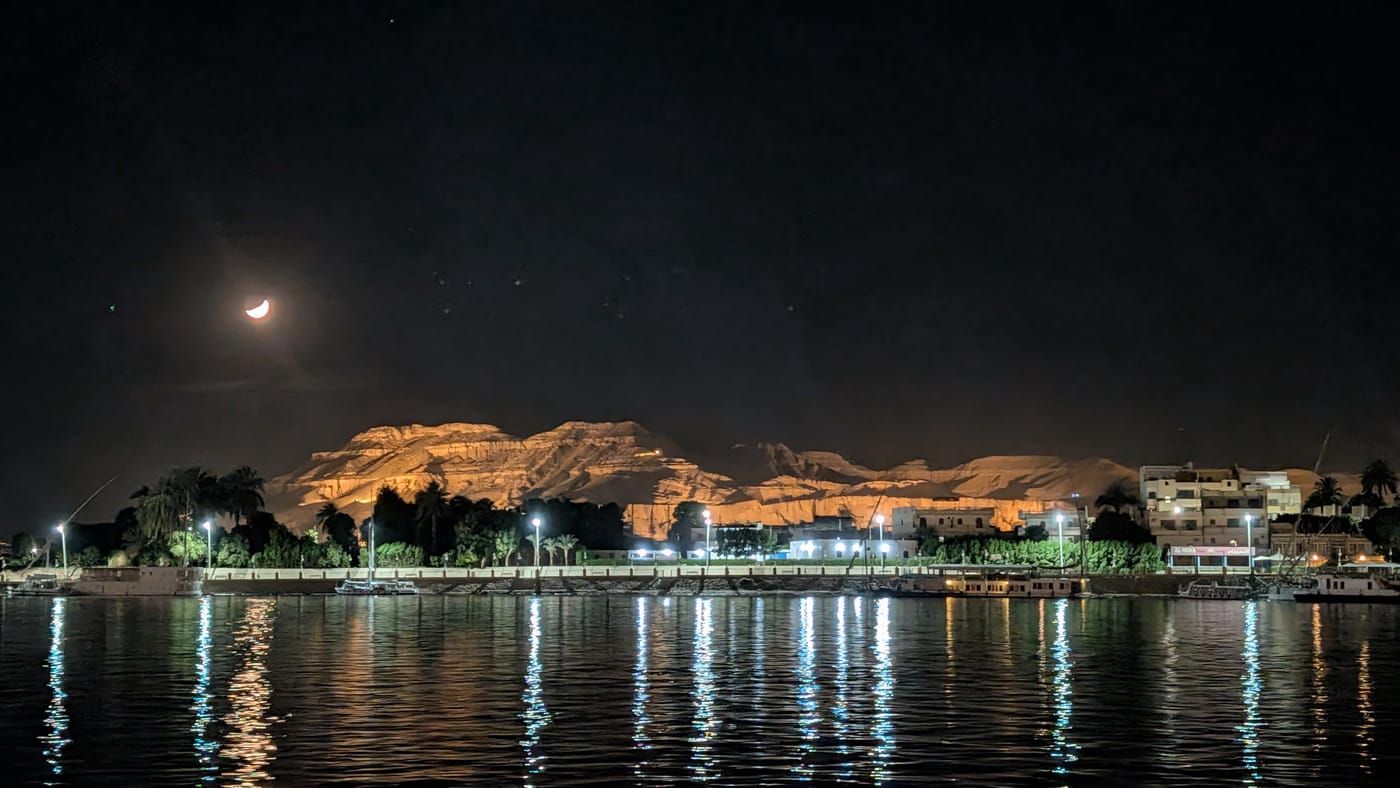
Cross the Nile and the Luxor West Bank opens into villages, farmland and the landscape beneath the Theban Mountain, alongside the Valley of the Kings, Medinet Habu and Deir el-Medina.
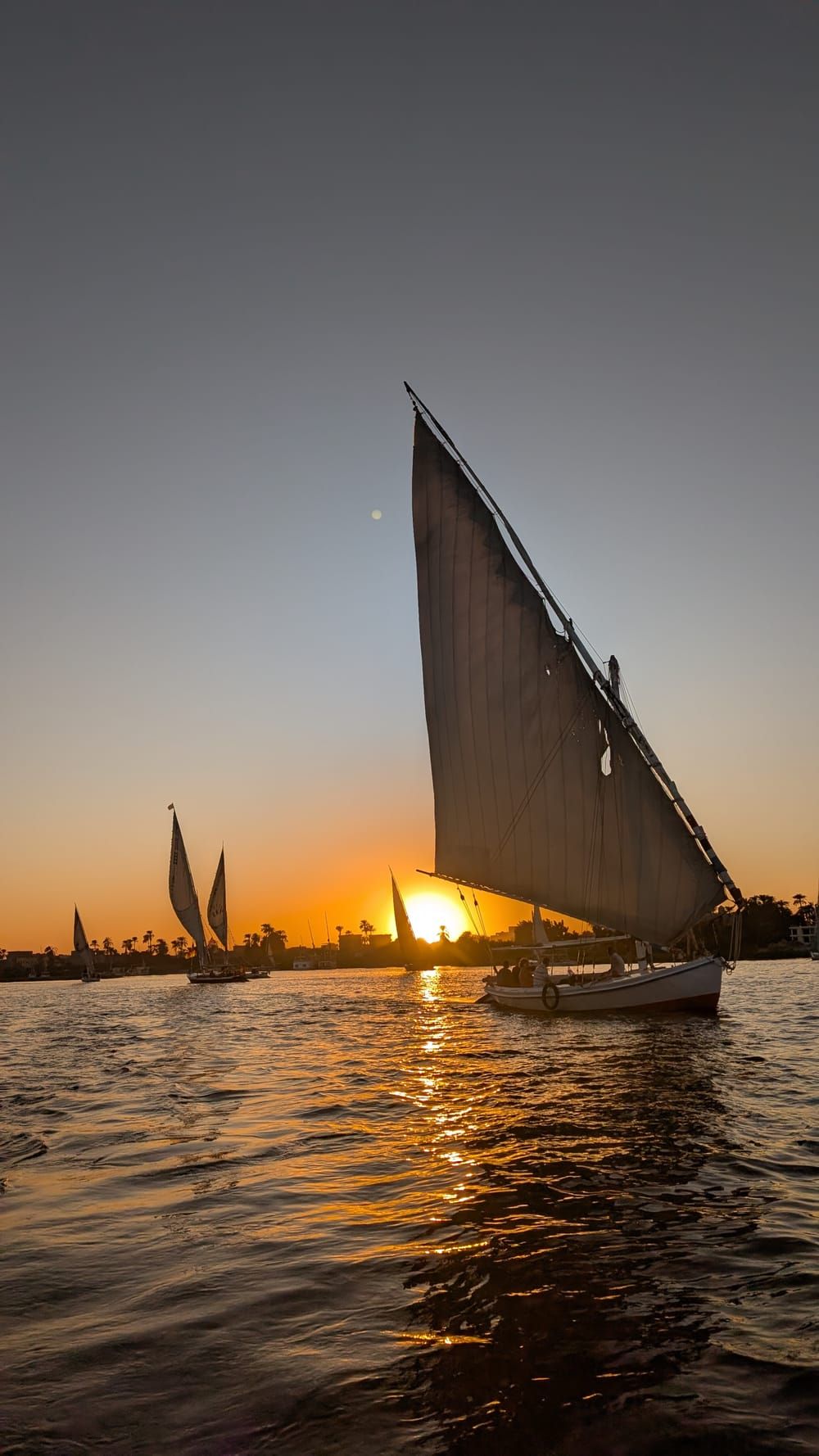
The two banks are woven together by the river: the public ferry and motorboats carry people back and forth throughout the day, while feluccas move more slowly along the Nile.
To see more of Luxor is to notice all of it - ancient and contemporary, city and village, everyday life and the places people travel thousands of kilometres to see.
The People, Places and Ideas Shaping Luxor
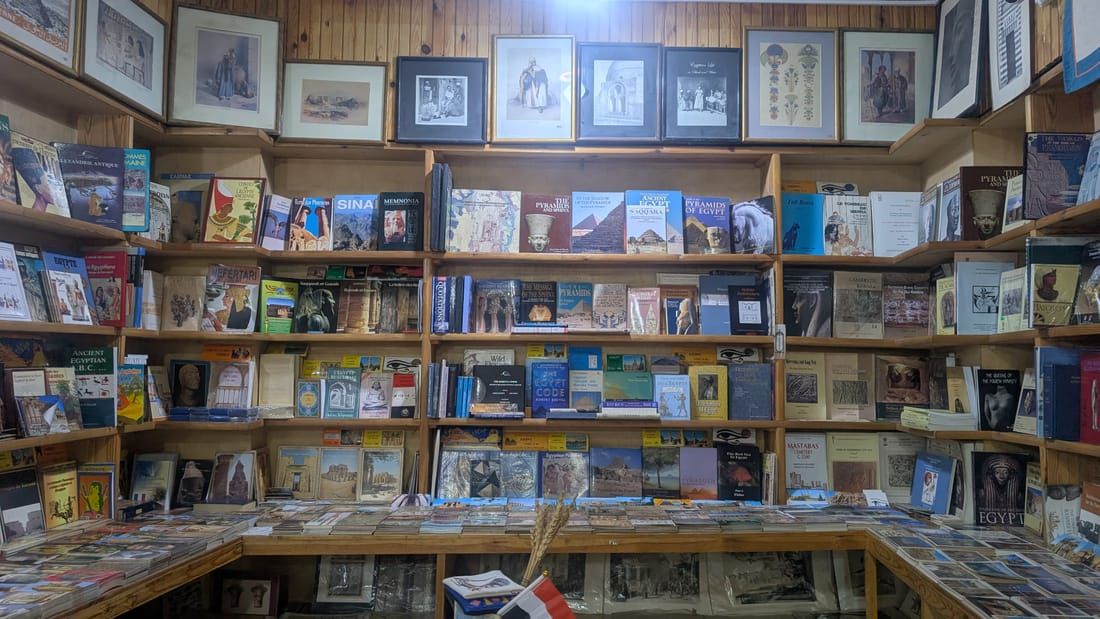
Luxor's history is visible everywhere.
But people are also shaping what comes next.
People are building schools, making art, starting businesses, experimenting with new ways of learning and living, bringing communities together and working on projects that rarely appear in conventional travel guides.
Some are Egyptian. Some have come from elsewhere and made Luxor part of their lives. Many sit outside the major tourist circuit.
As The Luxorium grows, we want to bring more of those people, ideas and projects into view too - not because everything happening in Luxor needs to become a tourist attraction, but because understanding Luxor means seeing what is happening here now as well as what happened here thousands of years ago.
Understand More About Luxor: Context, Evidence and Perspective
See More Before You Decide What You Think
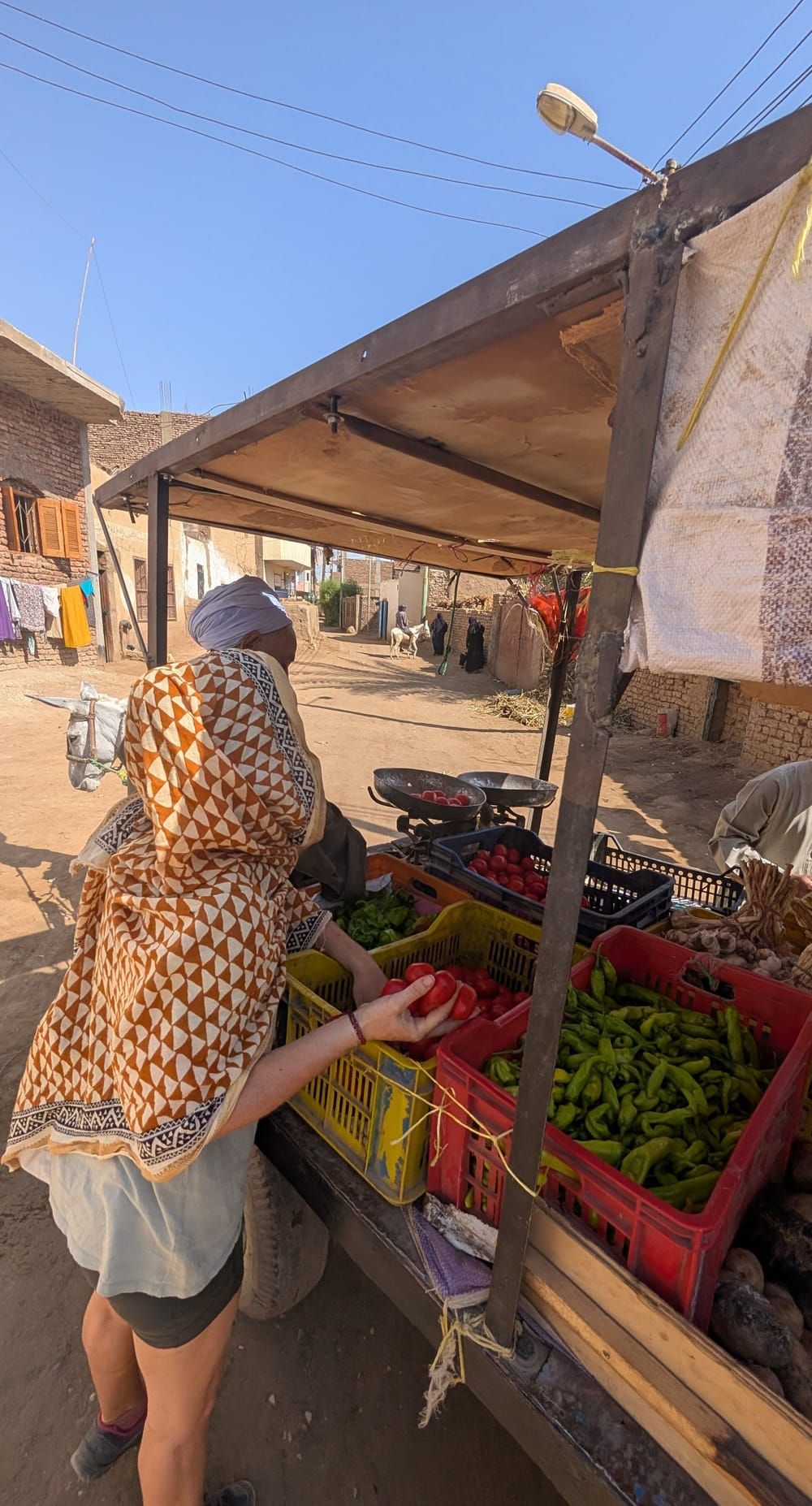
The Luxorium begins with curiosity.
We try to observe before judging, look for context and understand different perspectives before deciding what the available evidence supports.
When something is nuanced, we would rather preserve that nuance than flatten it into an answer that sounds simple but gives you the wrong impression.
Understanding an experience often depends on more than what happened. It can depend on culture, context and whether you have enough information to understand the interaction - whether you are agreeing a price with a carriage driver, choosing between a felucca and motorboat, crossing the Nile by public ferry or buying something in the souk.
Travel forums, Facebook groups, reviews and online communities can contain useful experience and bias at the same time. A visitor can describe a genuine experience while missing cultural, economic or situational context. A business, operator or supporter can have reasons for presenting the same situation differently. Strong positive and negative reactions can both become more visible than ordinary experiences.
We do not want to choose a side for you. We want to help you see enough of the picture to decide what you think.
What Luxor Can Show You - About the Place and Yourself
Luxor is not always an effortless place to understand.
You may encounter different approaches to time, money, hospitality, negotiation, relationships and everyday life.
Sometimes that is fascinating. Sometimes it can create friction. Sometimes both.
Curiosity creates room to ask:
What am I seeing? What context am I missing? What does this tell me about the people and place around me - and what might my reaction be telling me about myself?
Staying curious does not mean giving up your own judgement or boundaries.
It means leaving enough room for unfamiliar to be unfamiliar before deciding what you think about it.
Luxor can offer adventure, connection and cultural discovery. And sometimes it can create moments of genuine self-reflection - a chance to notice assumptions you did not know you were carrying and understand yourself a little differently through encountering lives unlike your own.
Connect More with Luxor and the People Who Live Here
Better Understanding Can Create Better Relationships
Better tourism is not only about giving visitors better information.
It is also about the relationship between visitors and the people who live here.
Visitors interact with guides, drivers, boat captains, carriage drivers, shopkeepers, hotel staff, business owners and many other people whose everyday lives intersect with tourism.
Those interactions can be easier to navigate when both sides understand more about the person in front of them and recognise that they may arrive with very different information, expectations and circumstances.
- For visitors
-
We help visitors understand cultural expectations and context, how prices and negotiation may work, and what questions to ask before deciding.
That can make unfamiliar interactions easier to navigate while keeping your own judgement and boundaries.
- For people working in Luxor
-
We help people working in Luxor understand what gives visitors confidence, what they may find unfamiliar or uncertain, and why clear prices and expectations matter.
That can make it easier to build trust while respecting visitor choice, comfort and boundaries.
Understanding the Person on the Other Side
Every interaction carries more context than we can see at first.
Culture, language, expectations, previous experiences and different ideas about hospitality, service and personal boundaries can all shape how two people understand the same moment.
Money can be part of that too. Visitors and people working in Luxor may experience prices, negotiation and what feels significant or fair very differently.
More context can help explain what a price includes, what may sit behind it and what you are receiving in return - without telling anyone what the “right” price is.
The Luxorium is not here to tell you what to think, what to pay or how an interaction has to unfold.
We want to help you see a little more of the person and circumstances on the other side - so you have more context for whatever decision you make yourself.
What better understanding can support
Over time, we hope better understanding on both sides can contribute to:
better visitor experiences, stronger local businesses, fairer representation of Egyptian people, more confident interactions and a healthier relationship between Luxor and the people who come here.
Help Us Understand Luxor Better
Share Experience, Local Knowledge or a Correction
The Luxorium is not intended to understand Luxor from one perspective.
If you have recent experience, local knowledge, a correction or something we have missed, you can share it with us.
We do not treat a contribution as fact simply because someone submitted it. We preserve where information came from, compare it with what else we know and look for patterns and contradictions.
Visitors can tell us what they experienced. Luxor residents can add context a visitor might never see. Local businesses can explain how something works. Experts can challenge what we think we know.
Each perspective can help us see another part of the picture.
We want what we learn to remain useful beyond a single question or page - improving existing answers, adding context, revealing patterns or contradictions and helping shape future guides, comparisons and tools.
If you share information with us, our Privacy Policy explains how we collect, use and protect your information.
How The Luxorium Stays Accountable
Judge Our Work for Yourself
Integrity means giving you enough information to judge our work for yourself.
Where it matters, we show where information came from, how current it is, what remains uncertain and what might affect how you interpret it.
Evidence does not always lead to a neat answer. When it doesn't, we would rather give you a range, a qualification or say we do not yet know enough than manufacture certainty.
If you think we could do something better, tell us how we're doing.
How The Luxorium Funds Its Work
The Luxorium needs to fund the research, technology, hosting, fieldwork and time behind it.
Over time, sponsorships, referrals, partnerships or other commercial relationships may help support that work. Where a commercial relationship is relevant to something you are reading, we make it visible.
Those relationships can support The Luxorium. They do not buy a conclusion, favourable treatment or a different version of the evidence.
If you'd like to explore partnering with The Luxorium, contact us.
Corrections and Updates
Publication is not the end of the process.
If something appears wrong, incomplete or out of date - or if we have represented you, your business or something you know incorrectly - tell us.
The Luxorium gets better when people question it, correct it and add perspectives we have not yet seen.
If you've spotted something wrong, incomplete or out of date, contribute a correction.
Ask, Contribute or Contact Us
-
Have a question about Luxor? Ask us for information, practical guidance or help understanding something.
-
Share knowledge, evidence, an update or a correction.
-
Media, partnerships, privacy or something else.
See More. Understand More. Connect More.
Start with the question you have now.
Follow what interests you. Notice something you might otherwise have missed. Dig deeper when the context matters.
As The Luxorium grows, you will find more practical guidance and tools to help you compare options, understand prices, plan your time and make decisions with greater confidence.
Use as much or as little of The Luxorium as you need.
When you have enough information to make the decision in front of you, that is enough.